Choose by the job, then verify the construction.
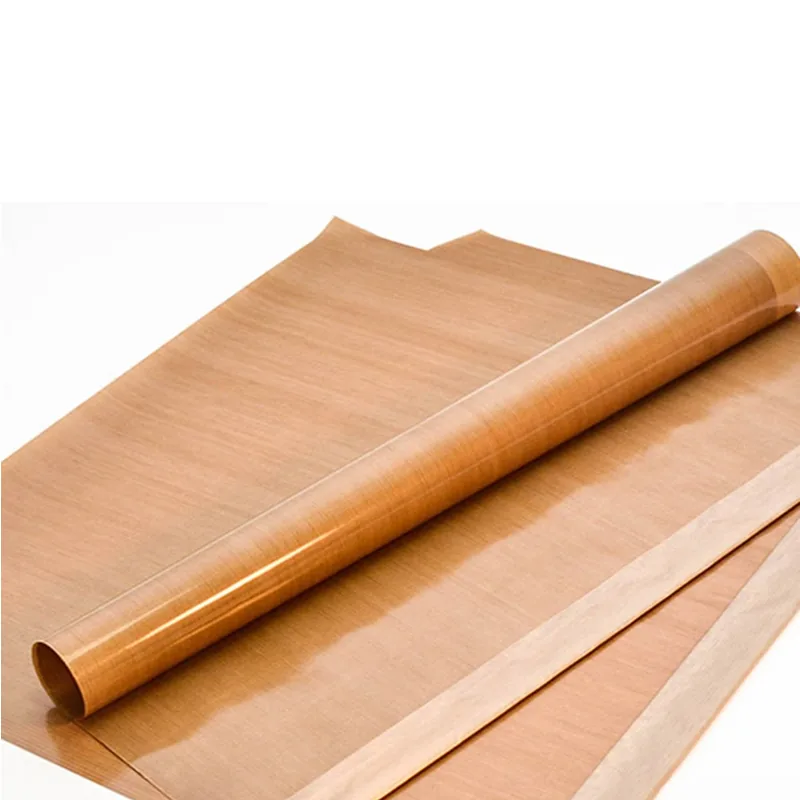
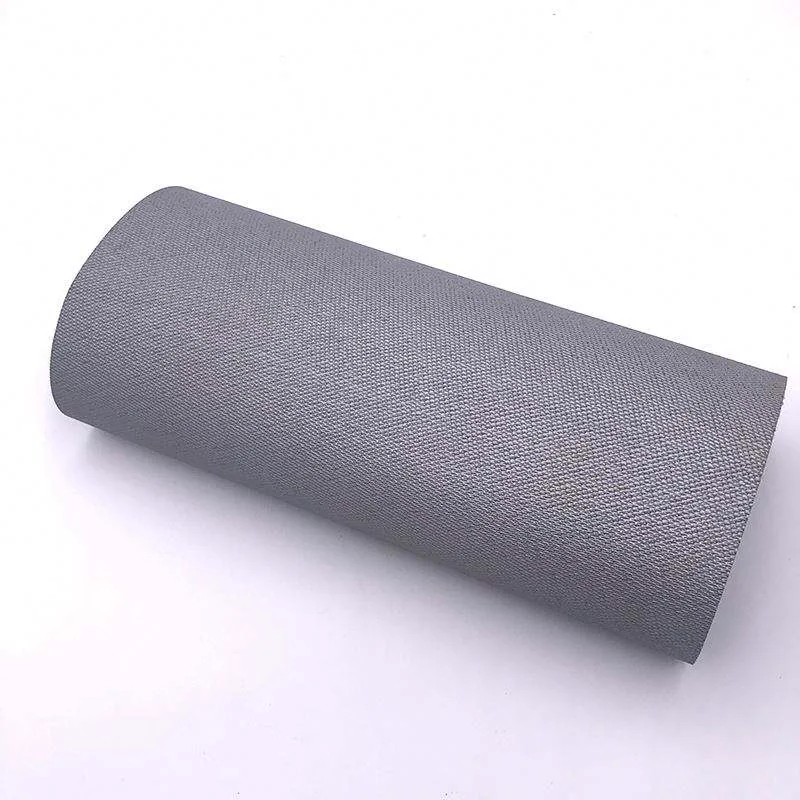
Both fabrics use a woven fiberglass base. The coating changes how the working face behaves and how the finished part is made. PTFE is the starting point for repeated release contact. Silicone is the starting point for a shaped protective cover. Neither name alone tells you whether a finished part will survive your temperature, cleaning routine or mechanical load.
PTFE versus silicone coated fiberglass
Use the table to choose a trial material. Then confirm thickness, coating weight and finish against the actual equipment.
| Decision point | PTFE coated fiberglass | Silicone coated fiberglass |
|---|---|---|
| Main job | Create a low-friction, easy-release contact surface. | Make a flexible protective barrier or fabricated cover. |
| Where it usually fits | Release sheets, heat-sealing surfaces, conveyor covers and sliding contact areas. | Insulation jackets, welding curtains, expansion-joint covers and removable heat shields. |
| Fabrication route | Often specified as a roll, slit strip or cut sheet; confirm the edge and fastening method. | Often cut and sewn into shaped covers; confirm seams, attachment points and coating side. |
| What to test | Release after repeated contact, surface wear and cleaning on the actual line. | Flexing, seam strength, splash exposure and fit on the actual equipment. |
Temperature is a separate check. Ask for the service limit of the proposed finished fabric, including any adhesive, stitching, seam or fastener.
Three decisions buyers actually face
The material touches the product or a moving surface
Start with PTFE-coated fiberglass when the contact face needs clean release and low drag. A heat-sealing jaw cover is a typical example. Check the fabric thickness, contact pressure and whether the surface will be scraped during cleaning.
Start with PTFEThe material wraps a hot or awkward shape
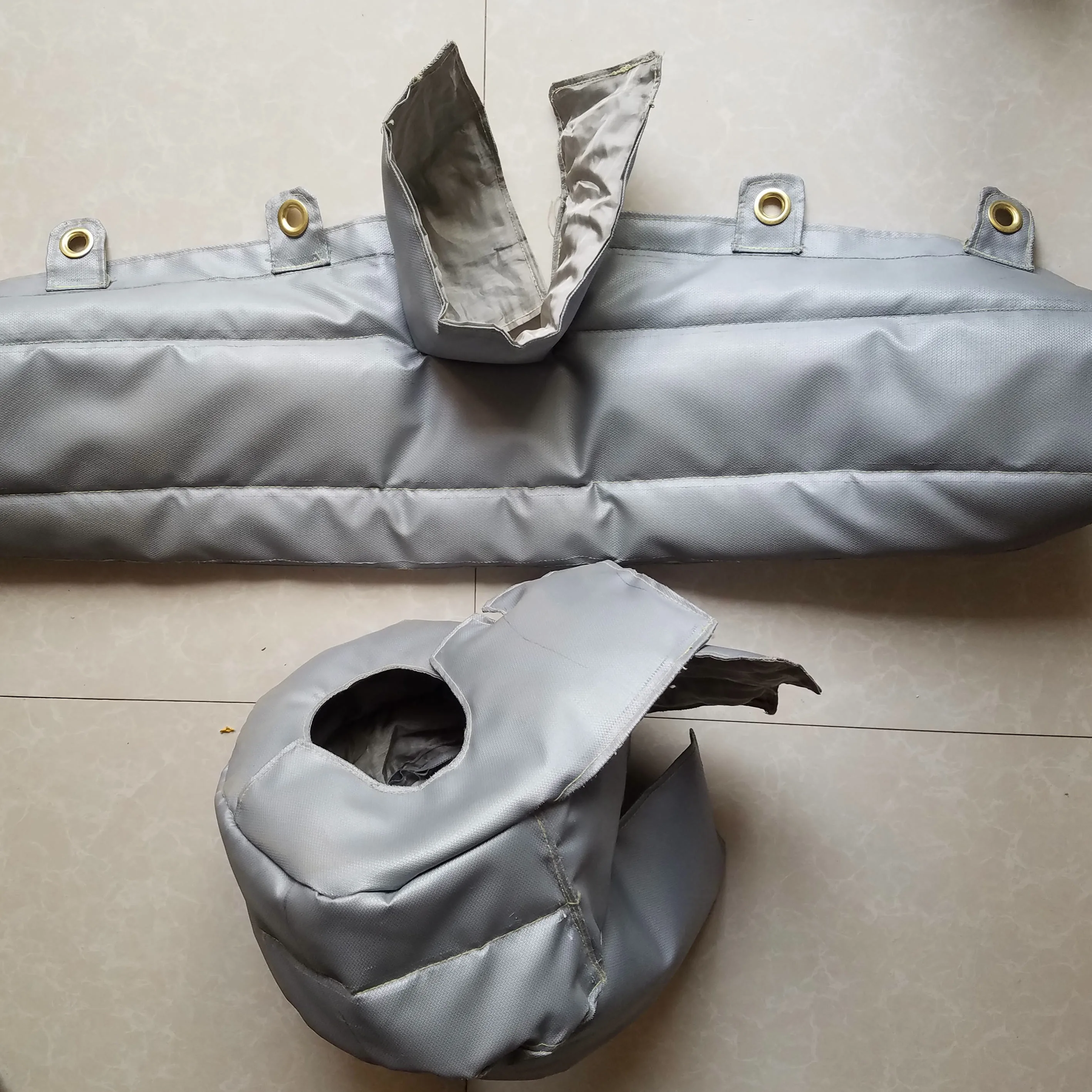
Start with silicone-coated fiberglass for a removable cover, curtain or shield that must bend around hardware and hold stitched details. Specify the pattern, openings, overlap and how the cover is secured.
Start with siliconeThe assembly needs both functions
Separate the contact face from the outer cover. A PTFE release layer and a silicone-coated protective cover may be better as two specified parts. Send a sketch of the assembly before choosing one fabric for both jobs.
Specify two parts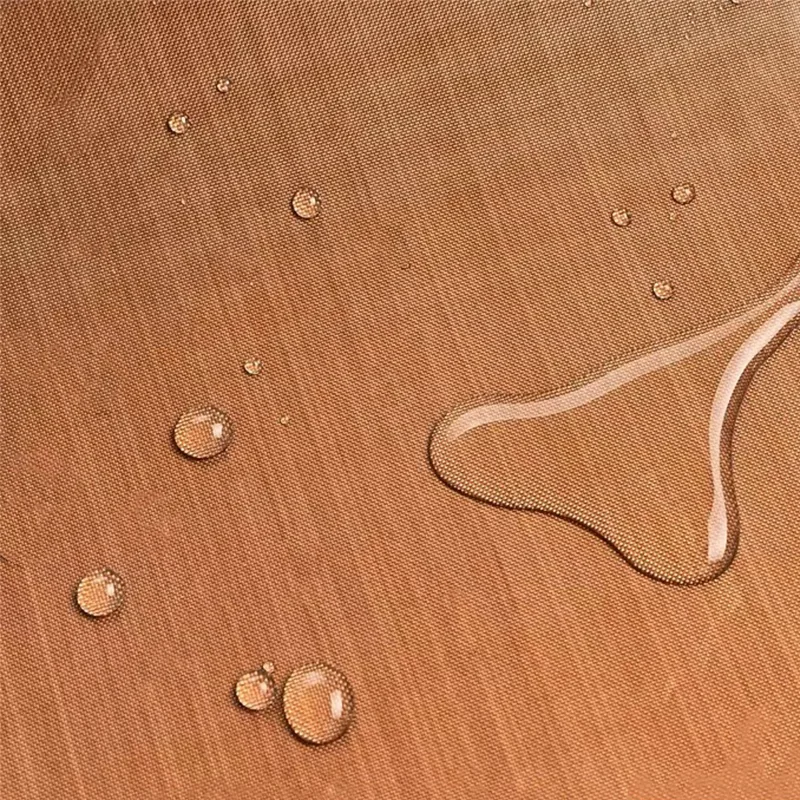
Send the conditions that change the answer
A fabric name is not a complete specification. Put the following details in the same message so the proposed sample can be checked against the real job.
- ContactWhat touches the fabric: product, hot tool, splash, abrasion or open air?
- Heat cycleContinuous temperature, peak temperature, contact time and cool-down pattern.
- ConstructionRequired thickness, coating side, flexibility and whether the part needs seams or adhesive.
- FitRoll width or finished dimensions, cutouts, edge treatment and fastening points.
- OrderTrial quantity, expected repeat volume and a drawing or photo of the existing part.
Discuss fabric options for your application
Questions to settle before ordering
Which coating is better for a release liner?
Choose PTFE-coated fiberglass when clean release and low friction are the main requirements. Confirm the exact fabric construction with a sample on the line, especially if the surface sees pressure, abrasion or frequent cleaning.
Which fabric works better for a sewn insulation cover?
Silicone-coated fiberglass is the practical starting point for a flexible sewn cover. The finished cover still needs a suitable seam, fastening method and insulation build for the equipment temperature.
Can I choose by the maximum temperature printed on a product page?
No. Confirm continuous and peak exposure, contact time and the finished construction. The coating, glass base, seams and fasteners do not all have the same service limit.
What should I send to compare samples?
Send the use case, continuous and peak temperatures, contact material, dimensions, preferred thickness, fastening or edge details and target quantity. Include a photo or drawing of the part being replaced when available.
Send the drawing and working conditions.
We can review the material route, size and fabrication details before quotation.